It’s easy to check your phone mid-conversation without meaning to. A notification or quick glance can derail the conversation, so keeping the phone out of reach often helps more than relying on willpower.
Why it happens
In one study, people who left their phones on the table during a meal felt more distracted and enjoyed the meal less than those who put them away (Dwyer, Kushlev & Dunn, 2018). Simply having a phone within reach may affect a conversation, even when no one checks it.
Start with these
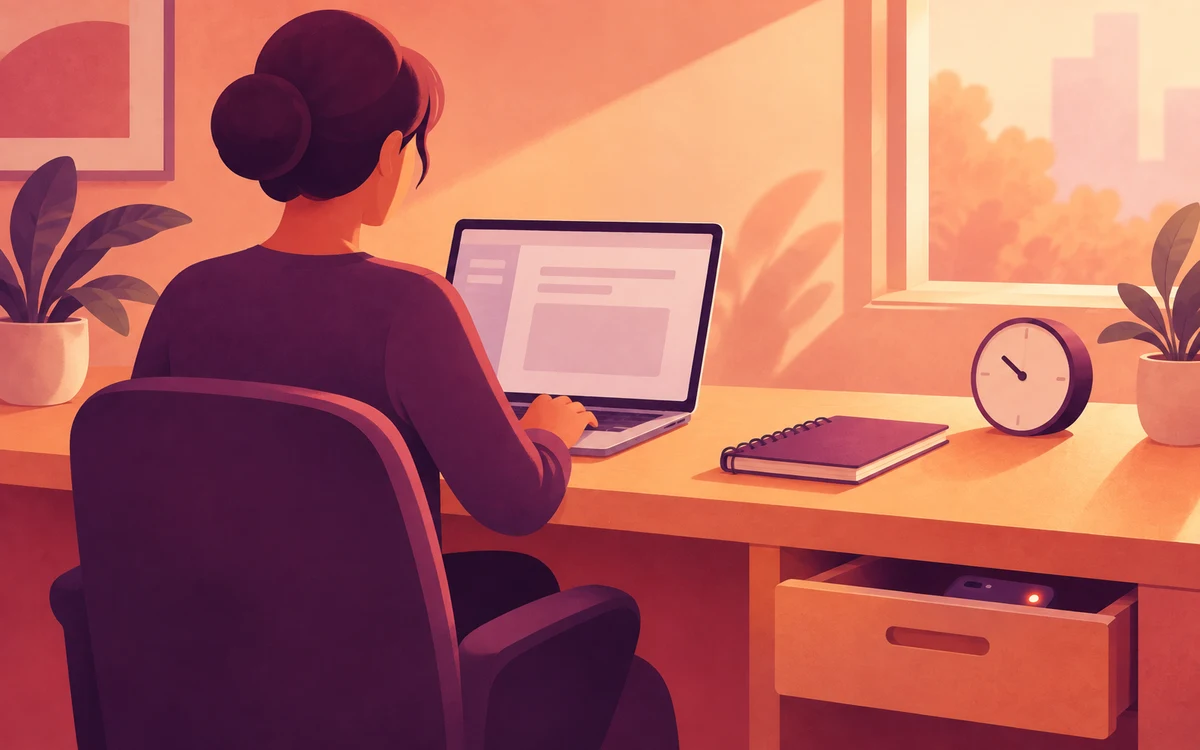
- Put the phone out of sight. A bag, a coat pocket or another room works better than face down on the table.
- Agree a rule with the people you’re with. “Phones away until dessert” works better when everyone’s in on it, and it stops one person’s checking from setting off everyone else’s.
- Try a phone basket. Keep one by the door or the dinner table so everyone has a clear place to leave their phone.
- Turn it off, or on Do Not Disturb. If you need to be reachable, let calls from favourite contacts through and silence everything else.
When you need backup
If habits alone keep slipping, let your phone help.
- Built-in tools: Android’s Digital Wellbeing has a Focus mode that pauses chosen apps and their notifications, and it can run on a schedule. On iPhone, Screen Time’s Downtime does a similar job.
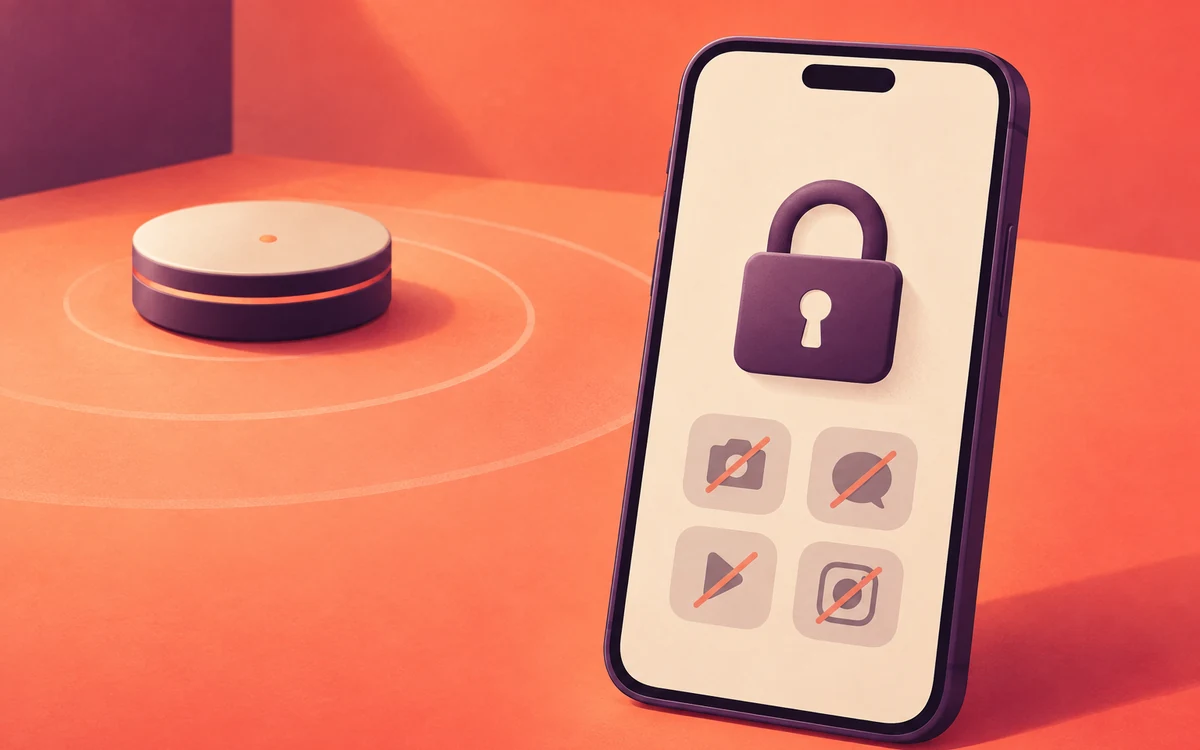
- An app blocker such as Screentide, a free screen time app for Android, goes further for moments that aren’t on a schedule. Stick an NFC tag on the dinner table, and one tap mutes social apps until you tap a second tag by the front door on your way out.
The Mute Distracting Apps at Dinner playbook walks through the Screentide setup step by step.
The bottom line
At dinner, putting phones out of sight and agreeing on a shared rule is a practical place to start. If that rule is hard to maintain, an app blocker can pause selected apps during the meal.